

If you are buying or building a new home, one of the first questions is when you actually close. With new construction, closing is tied to the end of construction rather than a date you pick at contract signing. This guide explains when you close on a new construction home, what happens at each stage before closing, what to check before you sign, and what to do after you get the keys.
When Do You Close on a New Construction Home?
With an existing home, the closing date is set in the contract and both sides work toward it. With new construction, the date depends on when the house is finished and approved. Three things must happen first:
- Construction is complete. All work in the contract is finished, apart from any small items both sides agree to handle after closing.
- The home passes final inspections. The local building department inspects the home and, once it meets code, issues the certificate of occupancy.
- You complete the final walkthrough. You walk the home with the builder, note any punch-list items, and confirm they will be addressed.
Your builder should give you an estimated completion window early and update it as construction progresses. Weather, inspections, and material availability can all move the date, so plan your move and your rate lock with some flexibility.
The New Construction Timeline: From Contract to Closing
| Stage | What happens | What you do |
|---|---|---|
| Contract and deposit | You sign the purchase or construction agreement | Review terms with your attorney and line up financing |
| Design and selections | Plans are finalized and finishes are chosen | Make selections on time to avoid delays |
| Permits and site work | The town approves permits and the foundation is poured | Ask for an updated schedule |
| Framing and pre-drywall | Framing, wiring, plumbing, and HVAC are installed | Attend the pre-drywall walkthrough; consider an independent inspection |
| Interior finishes | Drywall, trim, cabinetry, flooring, and fixtures go in | Confirm any change orders in writing |
| Final inspections and CO | The building department issues the certificate of occupancy | Confirm your rate lock and schedule closing |
| Final walkthrough | You review the home and create a punch list | Note every item in writing |
| Closing | Documents are signed and you receive the keys | Get your warranty documents and manuals |
How Long After the Pre-Drywall Meeting Is Closing?
The pre-drywall meeting is your chance to see the framing, wiring, plumbing, and mechanical rough-ins before the walls are closed. After this point, the home still needs insulation, drywall, interior trim, cabinetry, flooring, painting, fixtures, final inspections, and the certificate of occupancy. For most homes that takes several weeks to a few months, and larger custom homes with detailed finishes usually take longer. Your builder’s written schedule is the best guide.
Things to Know Before Closing on a New Construction Home
- The certificate of occupancy must be issued. You cannot legally move in until the town approves the home for occupancy.
- Do a thorough final walkthrough. Test doors, windows, faucets, appliances, and HVAC, and check paint, trim, and flooring. Write down every item.
- Consider an independent inspection. Many buyers schedule one before drywall and another before the final walkthrough. Read our guide on when to schedule a home inspection for new construction.
- Watch your rate lock. Construction delays can push closing past your lock date. Ask your lender about extension options before you need them.
- Confirm final costs. Review change orders, upgrades, and credits so there are no surprises on the closing statement.
- Set up insurance and utilities. Arrange homeowners insurance and transfer utilities into your name before closing day.
- Get your warranty documents. In New Jersey, new homes come with a limited 10-year warranty, and your builder should provide the warranty information at closing.
Common Reasons New Construction Closings Get Delayed
- Late selections or change orders. Finishes chosen late, or changes made after construction starts, can push back ordering and installation.
- Material and product lead times. Windows, cabinetry, appliances, and specialty fixtures can have long lead times that affect the finish date.
- Weather. Rain, snow, and freezing temperatures can slow foundation work, framing, roofing, and exterior finishes.
- Inspections. If an inspection needs a correction and a re-inspection, the certificate of occupancy can be delayed.
- Financing and appraisal. Appraisal timing, loan conditions, or an expiring rate lock can affect when the lender is ready to close.
The best protection is a builder who gives you a realistic written schedule, sets selection deadlines early, and keeps you updated as the project moves forward.
Closing on a Custom Home Built on Your Own Lot
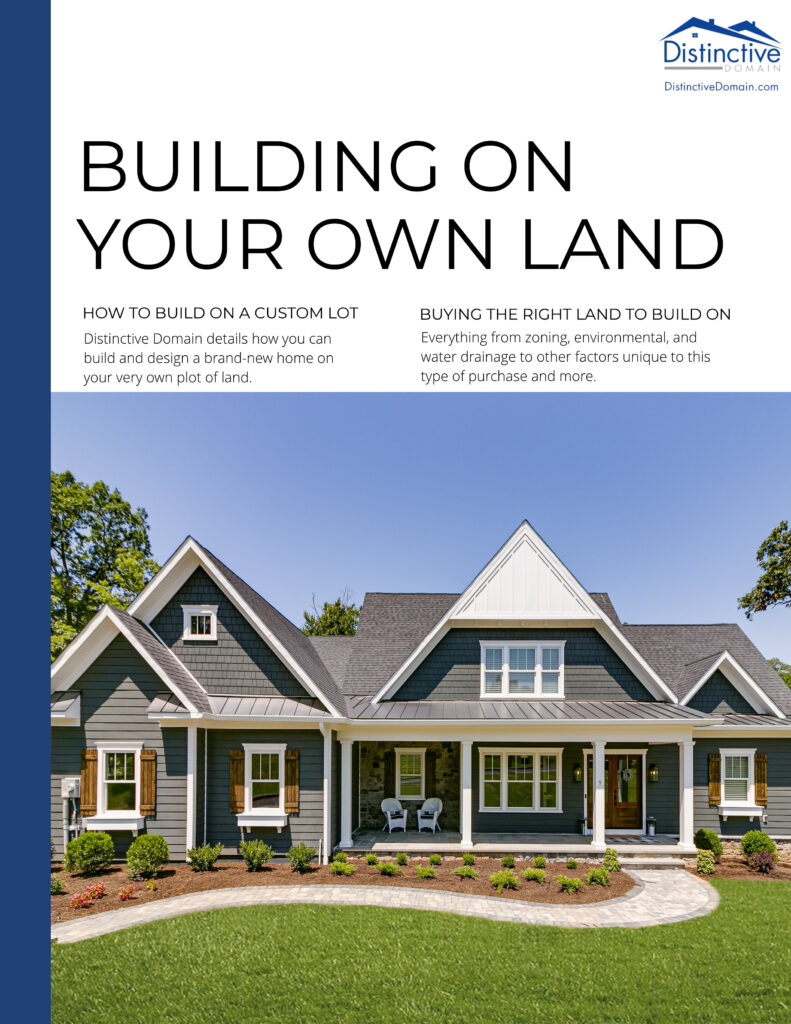
If you are building a custom home on land you already own, the process looks different. There is no seller of the house, so there is usually no purchase closing at the end. Instead, many owners finance the project with a construction loan: you close on the loan before construction starts, the lender releases funds in draws as work is completed, and the loan converts to a permanent mortgage or is paid off when the home is finished.
In this model, the milestones that matter most are the start of construction, the draw inspections, the certificate of occupancy, and the final walkthrough with your builder. Working with a design-build firm keeps the budget, plans, and schedule coordinated from the first sketch, which makes the loan process smoother. If you do not own land yet, start with our guide to finding land for a custom home in New Jersey.
What to Do After Closing on a New Construction Home
- Store your warranty paperwork. New Jersey’s new home warranty is often called the 1-2-10 warranty: the builder is responsible for covered defects during the first two years, and years three through ten cover major structural defects. Learn more from the New Jersey Department of Community Affairs.
- Keep a running list. Note small issues as they appear, such as nail pops or minor cracks from settling, and report them according to your warranty process.
- Schedule a walkthrough before the first year ends. Reviewing the home before the one-year coverage ends gives you time to report workmanship items.
- Register appliances and set up maintenance. Register manufacturer warranties and set reminders for HVAC filters, gutters, and seasonal checks.
Plan Your New Home With Confidence
Distinctive Domain has designed, built, and remodeled luxury homes in New Jersey since 2003. Our design-build process, The 5 Simple Steps, gives you a clear schedule and budget from the start, so you know what to expect from the first meeting to the final walkthrough. For more planning help, read how much it costs to build a house, or schedule a free Idea Session.
New Construction Closing FAQs
When do you close on a new construction home?
Can you close on a new construction home before it is finished?
How long after the pre-drywall meeting is closing?
What should I check before closing on a new construction home?
Do I need a home inspection on new construction?
What warranty comes with a new home in New Jersey?
What should I do after closing on a new construction home?
Is closing different when you build a custom home on your own lot?
This article is general information, not legal or financial advice. Confirm details for your purchase or build with your attorney, lender, and builder.