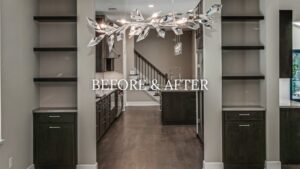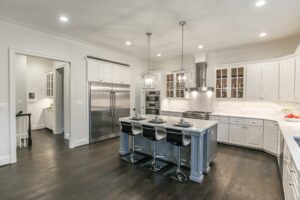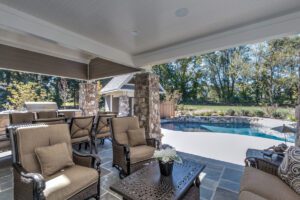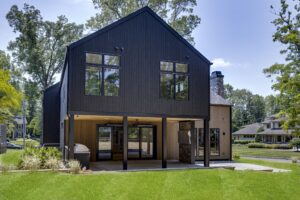

Distinctive Domain brings luxury homes to life through a coordinated process that connects the client’s vision, the property, architecture, interior priorities, budgeting, and construction. The result is not simply a larger home, but a residence shaped around how its owners want to live.
For clients building or remodeling in New Jersey, clarity at each stage helps protect design quality and reduce uncertainty. These nine steps explain how thoughtful planning and disciplined execution turn an initial idea into an enduring custom home.
| Project phase | Primary focus | Client benefit |
|---|---|---|
| Discovery | Lifestyle, priorities, and vision | A clear project foundation |
| Design development | Architecture, interiors, and site | Coordinated decisions |
| Preconstruction | Scope, selections, pricing, and schedule | Greater clarity before building |
| Construction | Quality, communication, and execution | Consistent progress and accountability |
1. Listening Before Designing
Every successful custom home begins with discovery. The team learns how the household lives, entertains, works, relaxes, hosts guests, and anticipates future needs. Architectural preferences are important, but the reasons behind them matter just as much.
Distinctive Domain uses these conversations to establish priorities that guide later decisions. When the vision is clearly defined, the home can feel personal without becoming visually disconnected or unnecessarily complicated.
2. Understanding the Property
Sunlight, views, privacy, access, topography, drainage, utilities, setbacks, and neighborhood context all affect what a property can support. Early site evaluation helps align the concept with real opportunities and constraints.
For remodeling, the same principle applies to the existing structure. The team evaluates layout, systems, condition, architectural character, and the feasibility of additions or major interior changes.
3. Establishing an Architectural Direction
A strong concept organizes exterior form, room relationships, circulation, scale, and connections to outdoor spaces. The goal is a coherent architectural idea rather than a collection of unrelated features.
Proportion and sightlines receive careful attention. Ceiling heights, windows, openings, and transitions should work together so the home feels generous, comfortable, and calm.
4. Coordinating Interior Design Early
Interior planning should develop alongside the architecture. Kitchen layouts, cabinetry, lighting, millwork, flooring, stone, hardware, storage, and furniture relationships can affect structure and building systems.
Early coordination prevents important selections from becoming afterthoughts. It also creates continuity between rooms and allows materials to support the architecture instead of competing with it.
5. Aligning Scope With Investment
Budget conversations are most useful while options are still flexible. Estimates, allowances, and alternatives help clients understand which decisions have the greatest influence on cost and long-term value.
Transparent scope development allows the team to preserve the most important experiences while refining specifications or complexity where appropriate. This is more effective than waiting until construction documents are complete to confront a misaligned budget.
6. Preparing for Construction
Preconstruction brings together drawings, engineering, permits, selections, trade coordination, procurement, and schedule planning. Long-lead materials and critical decisions are identified so the project can proceed with fewer avoidable interruptions.
Responsibilities and communication channels should also be clear before work begins. Clients benefit from knowing how updates, approvals, changes, and questions will be handled.
7. Building With Disciplined Quality Control
Quality is created through consistent standards throughout construction. Layout, structure, waterproofing, mechanical systems, insulation, cabinetry, stone, tile, and finish details all require review at the appropriate stage.
Distinctive Domain coordinates experienced professionals and trade partners while maintaining attention to the architectural intent. Issues are easier to resolve when they are identified early and documented clearly.
8. Communicating Through Every Decision
A luxury home involves many interconnected choices. Regular updates help clients understand progress, upcoming decisions, schedule considerations, and any proposed changes.
Good communication does more than report activity. It explains why a decision matters, presents practical options, and shows how each choice affects design, performance, cost, or timing.
9. Supporting the Home Beyond Completion
The final phase includes detailed review, system orientation, documentation, and resolution of outstanding items. A well-managed handoff helps homeowners understand how to operate and maintain their new residence.
Clients can learn more about the Distinctive Domain custom home process and explore the completed project portfolio. The American Institute of Architects also provides information about coordinated design-build delivery.
Distinctive Domain FAQs
Answers about the process behind custom homes and luxury remodeling in New Jersey.
What services does Distinctive Domain provide?
Where does Distinctive Domain build?
When should I contact the team?
Can Distinctive Domain evaluate a potential property?
How are project budgets developed?
Does the team help with interior selections?
How are clients updated during construction?
Can the company manage luxury remodeling?
What makes a custom home timeless?
How do I begin a project with Distinctive Domain?
Bring Your Luxury Home Vision to Life
Discuss your property, lifestyle priorities, and architectural goals with the Distinctive Domain team.