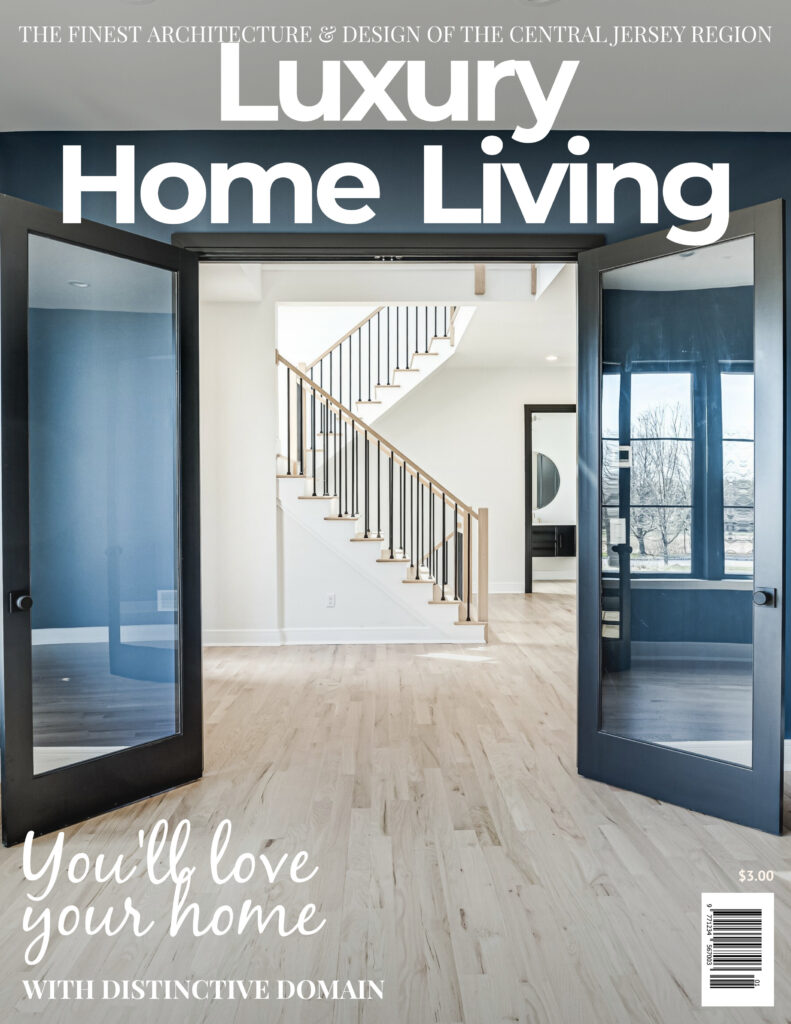

Choosing a luxury home builder is one of the most important decisions in creating a custom residence. The right partner must understand architecture, construction, interiors, budgeting, local requirements, and the way your family wants to live.
For homeowners in Warren and across New Jersey, the selection process should go beyond comparing portfolios. These nine steps help you evaluate experience, communication, craftsmanship, and the systems that protect your vision from early planning through completion.
| What to evaluate | Evidence to request | Why it matters |
|---|---|---|
| Relevant experience | Comparable completed homes | Confirms capability for your project |
| Design-build process | Written phases and responsibilities | Clarifies decisions and accountability |
| Budget management | Detailed estimates and change procedures | Protects priorities and expectations |
| Client service | References and communication standards | Shows how the relationship is managed |
1. Define Your Vision Before Comparing Builders
Begin with the type of home, approximate size, desired location, architectural preferences, lifestyle needs, and investment range. A clear starting point helps a builder respond with relevant experience rather than a generic sales presentation.
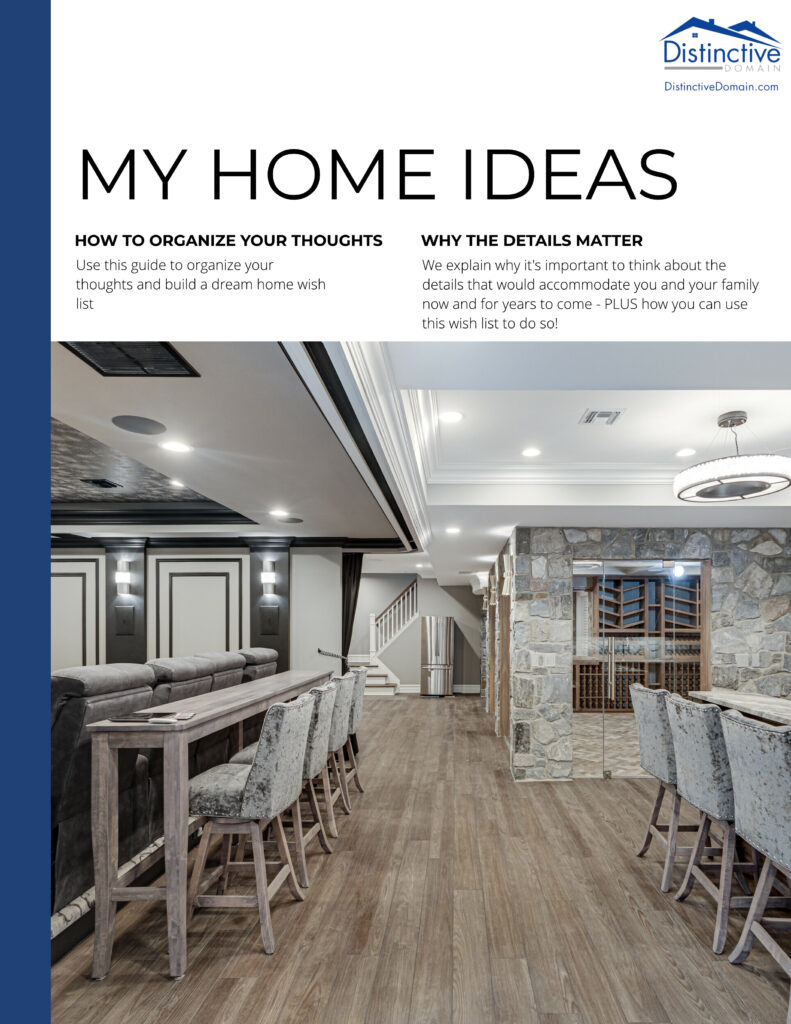
Consider how the home should support entertaining, work, privacy, multigenerational living, outdoor spaces, and future needs. A strong luxury home builder will ask thoughtful questions and help translate these priorities into a realistic planning framework.
2. Look for Relevant Custom Home Experience
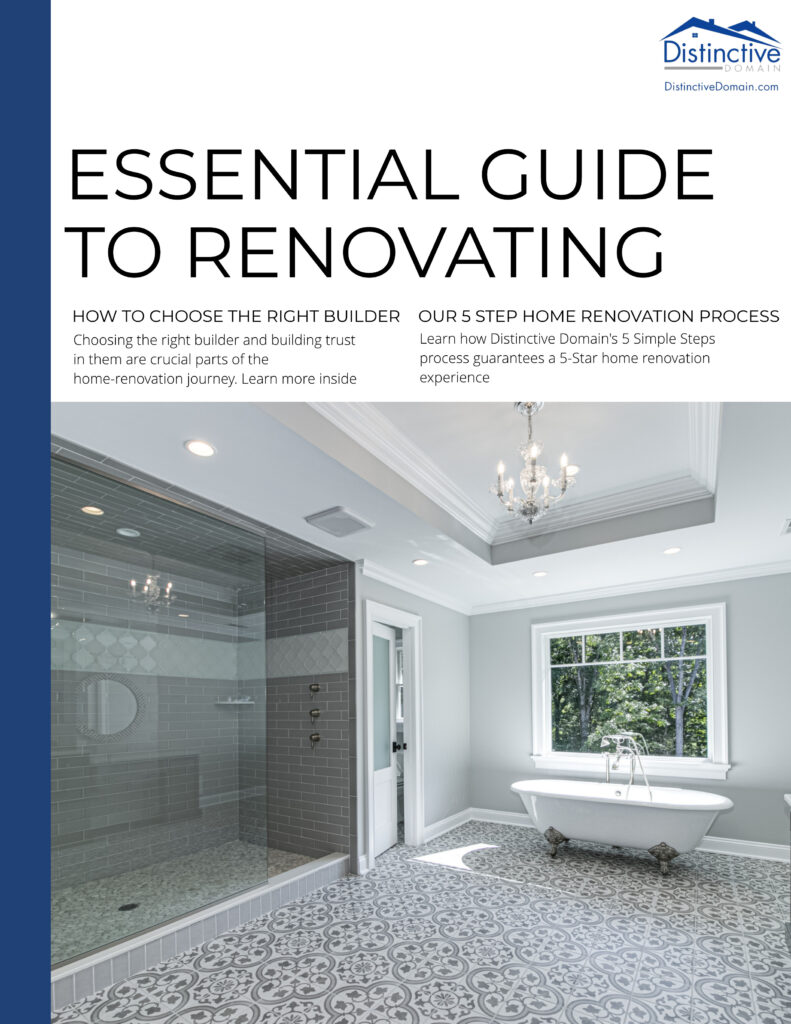
Review projects that are comparable in complexity, quality, and architectural character—not only in square footage. Ask how the team addressed difficult sites, custom detailing, material coordination, and owner-specific requirements.
Experience in Warren and nearby New Jersey communities is valuable because zoning, approvals, topography, neighborhood context, and trade coordination can influence the project from the beginning.
3. Understand the Design-Build Process
A defined process should explain discovery, site evaluation, design development, pricing, selections, permitting, construction, quality control, and closeout. Each phase needs clear decisions, responsibilities, and deliverables.
Integrated design-build coordination can reduce gaps between architectural ideas and field execution. It also gives the homeowner a more consistent point of communication throughout the project.
4. Evaluate Communication and Transparency
Custom construction involves hundreds of decisions. Ask who will be your primary contact, how often updates are provided, which tools are used to track selections, and how questions are documented.
Transparent communication should include both positive progress and emerging challenges. A professional team explains options, consequences, schedule implications, and costs early enough for informed decisions.
5. Review Budgeting and Cost Controls
A preliminary estimate should connect the design vision to current construction realities. Ask what is included, what remains an allowance, how contingencies are handled, and when pricing will become more detailed.
Also review the change-order process. Clear written procedures help prevent surprises and allow homeowners to evaluate upgrades or adjustments against the total investment.
6. Inspect Craftsmanship and Quality Standards
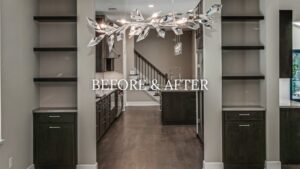
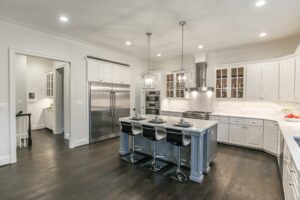
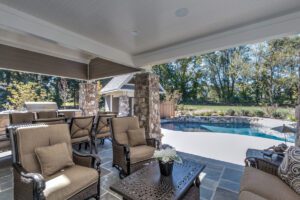
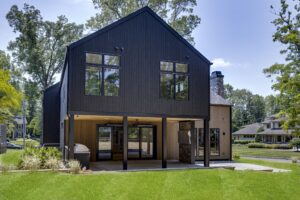
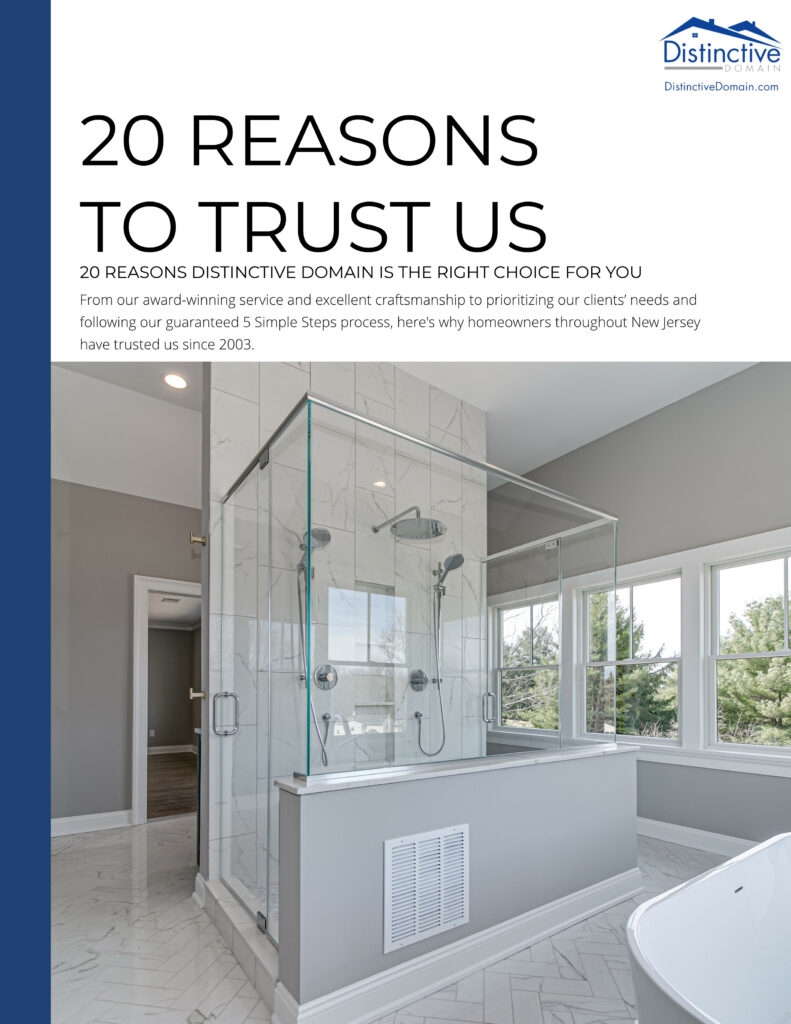
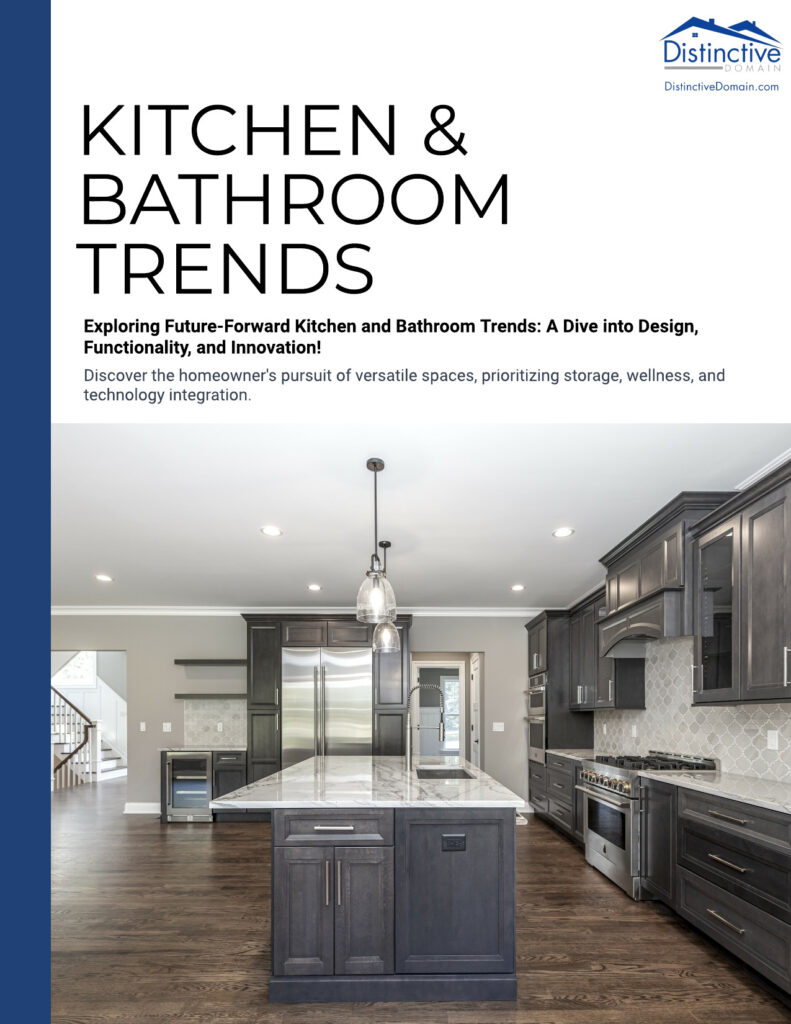
Portfolio photography is helpful, but completed and active projects reveal more. Look at material transitions, millwork alignment, tile layouts, cabinetry, exterior detailing, and the consistency of finish across the entire home.
Ask how quality is reviewed during construction and how deficiencies are documented before completion. The best results come from strong standards applied throughout the build, not only during the final walkthrough.
7. Confirm Local Knowledge and Professional Credentials
Verify licensing, insurance, applicable warranties, and relationships with qualified architects, engineers, designers, and trade partners. Local knowledge helps the team anticipate approval requirements and property-specific constraints.
Homeowners can consult the New Jersey Division of Consumer Affairs for information related to home improvement contractors and consumer resources.
8. Speak With Past Clients
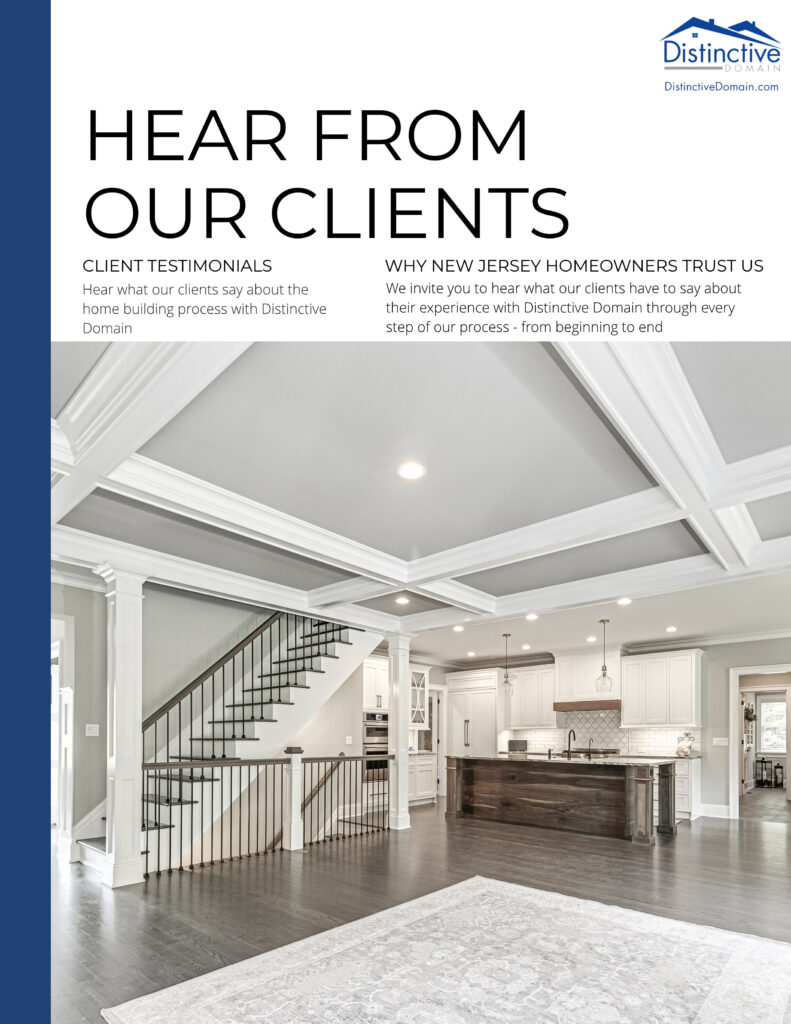
References can reveal how the builder performs beyond the finished photography. Ask clients about communication, budget clarity, decision support, schedule management, problem-solving, and service after move-in.
Listen for consistency. A trustworthy luxury home builder should be able to describe a repeatable client experience and provide examples that support those claims.
9. Choose a Team That Fits the Relationship
A custom home project is a long collaboration. Technical ability matters, but so do trust, responsiveness, judgment, and shared expectations. The right team should make complex decisions understandable and keep the client’s priorities visible throughout the process.
Distinctive Domain offers an integrated approach for clients planning custom residences in New Jersey. Explore the custom homebuilding process and browse the portfolio of completed homes before scheduling a conversation.
Luxury Home Builder FAQs
Practical answers for evaluating a custom homebuilding partner in New Jersey.
What should I ask a luxury home builder first?
How early should I contact a builder?
Should I choose the architect or builder first?
How do I compare custom home estimates?
Why are allowances important?
How can I verify construction quality?
What does a design-build firm provide?
How long does a luxury custom home take?
What should a construction agreement explain?
Does Distinctive Domain build throughout New Jersey?
Choose Your Custom Homebuilding Partner
Discuss your property, priorities, and architectural vision with the Distinctive Domain team.