

Selling a house as-is in New Jersey means you sell the property in its current condition, without making repairs before closing. It can be faster and simpler, but it usually means fewer buyers and lower offers. This guide explains how to sell a house in New Jersey, what selling as-is really costs you, and the smarter options to consider, including renovating before you sell or selling to build your next home.
How to Sell a House in New Jersey: Step by Step
- Set your price and decide on condition. Choose whether to sell as-is, make targeted updates, or complete a larger renovation first. Your choice affects your price, your buyer pool, and your timeline.
- Complete the seller’s disclosure. Since 2024, residential sellers in New Jersey must use the state’s Seller’s Property Condition Disclosure Statement, and all sellers must answer the flood risk questions before the buyer is bound by the contract. Details are available from the New Jersey Division of Consumer Affairs.
- Accept an offer and complete attorney review. When an agent prepares the contract, New Jersey provides a three-business-day attorney review period after signing, during which either side’s attorney can cancel or modify the agreement.
- Handle inspections and negotiations. The buyer’s home inspection often leads to repair requests or credits, even on as-is sales.
- Get the required certificates. Before a one- or two-family home changes occupants, New Jersey requires a certificate of smoke alarm, carbon monoxide alarm, and portable fire extinguisher compliance. Some towns also require a resale certificate of occupancy, so check with your municipality early.
- Close the sale. At closing, the seller typically pays the Realty Transfer Fee, any mortgage payoff, attorney fees, and agent commissions.
The Downsides of Selling a House As-Is in NJ
A smaller pool of buyers
Many buyers want a move-in-ready home and will skip a house that needs work. Investors and flippers may be interested, but they are looking for a discount large enough to cover repairs and profit, so an as-is listing can take longer to sell.
Lower offers
Buyers use needed repairs as leverage. The estimated cost of fixing problems, often with a cushion added, is subtracted from what they are willing to pay, which reduces your net proceeds.
Inspection and appraisal issues
A home with visible issues can produce a long inspection report and a lower appraisal. If the appraisal comes in below the contract price, the buyer’s lender may not approve the full loan, which can force a renegotiation.
A slower path to closing
Repair negotiations, financing conditions, and municipal requirements can all add time. If your town requires a resale certificate of occupancy, open permits or code issues can also delay closing.
Disclosure and legal risk
“As-is” does not remove your duty to disclose known defects. Failing to disclose a known problem can expose you to claims after the sale, which is why careful, honest disclosure matters even when you are not making repairs.
When Selling As-Is Makes Sense
An as-is sale is not always the wrong choice. It can be the right move when:
- You need to sell quickly, for example because of a job relocation, a divorce, or settling an estate.
- Repairs would cost more than they add, such as major structural, roof, or system problems on an older home.
- The value is mostly in the land. In many established New Jersey neighborhoods, buyers and builders are interested in the lot itself and plan to renovate heavily or build new.
- You cannot fund repairs or manage a construction project while you are trying to move.
In these cases, the goal is not to avoid selling as-is, but to sell as-is the smart way.
How to Get the Best Price on an As-Is Sale in NJ
- Get a pre-listing inspection. Knowing the home’s issues before buyers do helps you price accurately, complete your disclosure with confidence, and avoid surprises during negotiations.
- Price for the condition. Buyers compare your home to renovated homes nearby. A realistic price based on condition attracts more serious offers than starting high and cutting later.
- Disclose clearly and honestly. A complete disclosure builds buyer trust and reduces the risk of disputes after closing.
- Handle low-cost fixes. Even on an as-is sale, cleaning, decluttering, landscaping, and simple repairs like a broken fixture can noticeably improve first impressions.
- Schedule the smoke and CO certificate early. Applying soon after attorney review avoids last-minute fees and delays before closing.
- Compare every offer on net proceeds. Look past the headline price to inspection contingencies, closing timeline, financing, and credits requested.
What Selling a House in New Jersey Costs the Seller
Beyond agent commissions and attorney fees, New Jersey sellers pay the state Realty Transfer Fee at closing. Since July 10, 2025, sellers of residential property over $1 million also pay the Graduated Percent Fee, formerly known as the mansion tax, which used to be paid by the buyer:
| Sale price | Graduated Percent Fee (paid by seller) |
|---|---|
| Over $1,000,000 up to $2,000,000 | 1% of the sale price |
| Over $2,000,000 up to $2,500,000 | 2% |
| Over $2,500,000 up to $3,000,000 | 2.5% |
| Over $3,000,000 up to $3,500,000 | 3% |
| Over $3,500,000 | 3.5% |
Capital gains taxes may also apply. Because every sale is different, confirm your numbers with your real estate attorney or tax advisor.
Sell As-Is, Renovate First, or Sell and Build?
| Option | Best for | Trade-offs |
|---|---|---|
| Sell as-is | Owners who need speed or cannot fund repairs | Fewer buyers, lower offers, more negotiation after inspection |
| Renovate before selling | Homes with dated kitchens, baths, or curb appeal | Upfront cost and time, but a larger buyer pool and stronger offers |
| Renovate and stay | Owners who love their location but not their layout | No moving or selling costs; you keep your street and schools |
| Sell and build new | Owners ready for a home designed around how they live now | Longer timeline, but a brand-new custom home on your lot or a new one |
Renovate Before You Sell: Updates Buyers Notice
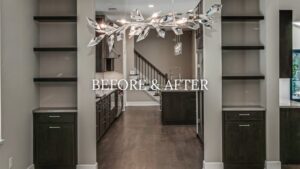
If your home is dated but structurally sound, targeted improvements can change how buyers see it. The updates buyers notice most are usually the kitchen, the bathrooms, and the first impression from the street. The key is to focus on improvements that widen your buyer pool rather than personal upgrades that may not pay off.
If you decide you would rather stay, a full home remodel or addition can give you the space you need without the cost and disruption of selling and moving.
Selling Your House to Build Your Next Home
Many New Jersey homeowners sell because their current house no longer fits their life, not because they want to leave the area. There are two common paths:
- Keep your land and rebuild. If you love your location, a tear-down and rebuild replaces the old house with a custom home designed around how you live today.
- Sell and build on a new lot. Sell your current home and build on land you buy. Our guide to finding land for a custom home in New Jersey explains what to check first, and Apogee Pointe Estates offers private lots along the Watchung Mountains in Green Brook Township.
Either way, planning the sale and the build together helps you line up timing and budget. Distinctive Domain has designed, built, and remodeled luxury homes in New Jersey since 2003. Schedule a free Idea Session to talk through your options.
Selling a House in New Jersey: FAQs
Can you sell a house as-is in New Jersey?
Do I still have to disclose problems if I sell as-is in NJ?
How long does it take to sell a house in New Jersey?
What is attorney review in New Jersey?
What taxes and fees does a seller pay in New Jersey?
Do you need a lawyer to sell a house in NJ?
Is it better to renovate or sell as-is?
Can I sell my house and build a new one?
This article is general information, not legal or tax advice. Rules and fees can change, so confirm the details for your sale with a New Jersey real estate attorney or tax professional.