

Buying Land to Build a Custom Home in Somerset County, NJ:
What Luxury Homebuyers Should Know Before Purchasing Property
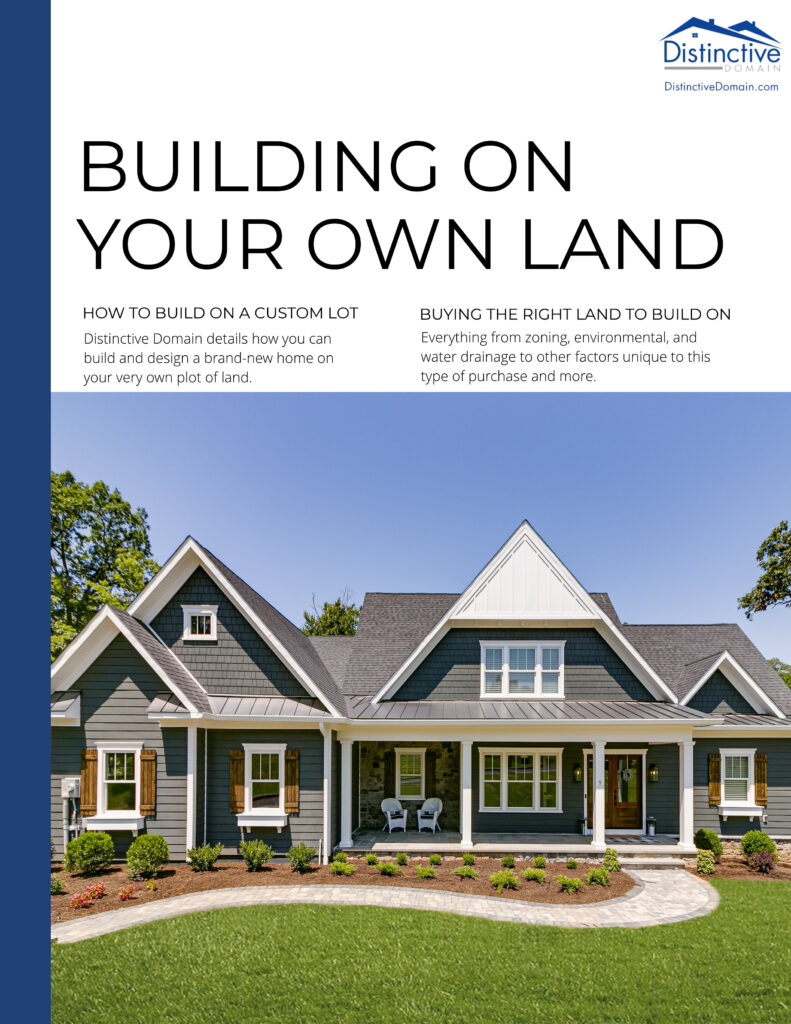
Buying land to build a custom home in Somerset County, New Jersey, is an opportunity to create a residence designed around your lifestyle, architectural preferences, and long-term goals. However, finding an attractive property is only the beginning. Before making a purchase, it is important to understand whether the land can accommodate the home you envision.
Somerset County is home to established communities such as Warren, Watchung, Basking Ridge, Bernardsville, Bridgewater, and Green Brook. From wooded properties and private estate settings to established residential neighborhoods, buyers can find a variety of opportunities for luxury custom construction.
Yet two properties with similar acreage and asking prices may have very different building possibilities. Zoning restrictions, site conditions, utility access, environmental considerations, and construction requirements can all influence what can be built and how much the overall project may cost.
For homeowners considering buying land to build a custom home, understanding these factors before closing can help reduce costly surprises and create a more confident path toward construction.
Here are seven essential considerations to evaluate before purchasing property for a luxury custom home in Somerset County, NJ.
1. Confirm the Property Is Suitable for a Custom Home
The first step is determining whether the property is legally and physically suitable for the type of residence you want to build.
A beautiful wooded parcel or spacious lot may appear ideal, but acreage alone does not determine buildability. Local regulations and physical site conditions can affect the location, size, and configuration of the home.
Before making a commitment, prospective buyers should review:
- Legal access: Whether the property has appropriate access to a public road or another legally established access route.
- Lot dimensions: Available space for the residence, driveway, landscaping, and outdoor improvements.
- Existing easements: Utility, drainage, access, or other restrictions that may affect the building area.
- Topography: Slopes and elevation changes that could influence site preparation and foundation design.
- Existing improvements: Structures, retaining walls, utility connections, or other features that must be considered.
- Environmental conditions: Potential wetlands, flood hazard areas, or other regulated features.
A current boundary survey and professional site evaluation can help identify conditions that are not always obvious during a property showing.
For those buying land to build a custom home, involving a design-build team early can help connect the property evaluation with your desired architectural plans.
2. Understand Local Zoning and Building Restrictions
Zoning is one of the most important considerations when purchasing land for residential construction.
While Somerset County provides regional planning oversight, individual municipalities generally administer their own zoning requirements. Rules can vary between Warren Township, Watchung, Bernards Township, Bernardsville, and other local communities.
Requirements may affect the home’s placement, setbacks, height, lot coverage, and other development characteristics.
Why Setbacks and Building Envelopes Matter
A property may be large enough to accommodate a home in terms of total acreage, but the usable building area can be smaller after accounting for setbacks, easements, and environmental limitations.
The building envelope is the area in which construction may be permitted after applicable restrictions are considered.
Before buying, evaluate whether this area can accommodate the proposed residence, driveway, outdoor living spaces, and any planned accessory improvements.
Municipal and County-Level Reviews
Certain projects may require additional reviews depending on the property’s location and the nature of the proposed development.
For example, Somerset County’s
Land Development Review
program addresses development affecting county facilities, including certain roadway and drainage considerations.
Not every residential project requires county review. The applicable municipality and qualified project professionals should determine which approvals are necessary for the particular site.
3. Evaluate Utilities, Infrastructure, and Site Preparation
When buying land to build a custom home in Somerset County, utility access and site preparation can significantly affect the overall investment.
Buyers sometimes focus primarily on the land price without accounting for the cost of preparing the property for construction.
The availability of public water, sanitary sewer, electricity, natural gas, and other services can vary by neighborhood and property.
Water and Wastewater Considerations
Some properties may have access to public water and sewer connections, while others may require private systems where permitted and feasible.
Questions to investigate include whether service connections are available, what approvals are needed, and whether additional improvements would be necessary.
If a private well or septic system is anticipated, site suitability and the relevant health and environmental requirements should be evaluated before purchase.
Driveways and Construction Access
Long driveways, steep approaches, or properties with limited road frontage may require additional planning.
Construction vehicles, material deliveries, and future everyday access should all be considered during the initial property review.
| Site Consideration | What Buyers Should Verify |
|---|---|
| Water supply | Public connection availability or feasibility of an approved private system. |
| Wastewater | Public sewer availability or septic suitability and required approvals. |
| Electric and gas | Service availability, connection distances, and potential infrastructure work. |
| Road access | Legal access, driveway requirements, grading, and construction access. |
| Drainage | Existing drainage patterns, stormwater controls, and possible engineering requirements. |
| Site preparation | Clearing, grading, excavation, soil conditions, and foundation preparation. |
Understanding these expenses before purchasing can help homeowners determine whether a property fits the complete project budget.
4. Investigate Wetlands, Flood Zones, and Environmental Restrictions
Environmental considerations are particularly important when evaluating wooded or undeveloped properties in New Jersey.
Some parcels may contain regulated freshwater wetlands, associated transition areas, flood hazard areas, or other environmentally sensitive features.
These conditions can affect where construction is allowed and whether additional permits or professional studies are necessary.
Freshwater Wetlands and Transition Areas
The New Jersey Department of Environmental Protection regulates certain activities involving freshwater wetlands and associated transition areas.
Depending on site conditions, a formal Letter of Interpretation may be used to determine the presence, absence, or boundaries of regulated wetlands and related areas.
The
New Jersey Department of Environmental Protection
provides guidance on determining whether a property may be subject to land-use regulations.
Flood Hazard Areas
Properties near streams, rivers, or other waterways may require additional investigation of potential flooding and development restrictions.
Floodplain mapping can be a useful starting point, but the applicability of state and local regulations should be evaluated for the specific parcel.
Buyers should not assume that an undeveloped portion of land is automatically available for construction simply because it is included in the property’s acreage.
When necessary, environmental professionals can help identify development limitations before a purchase becomes final.
5. Understand the Complete Cost of Buying Land to Build a Custom Home
The purchase price of a residential lot represents only one component of a custom home project.
Construction costs are influenced by the home’s size, architectural complexity, materials, and interior selections. However, site-specific expenses can also represent a meaningful part of the total investment.
For example, two similarly sized properties may have different development costs if one is relatively level with existing utility connections and another requires extensive grading, drainage improvements, or infrastructure installation.
| Budget Category | Potential Expenses |
|---|---|
| Property acquisition | Purchase price, transaction-related expenses, and professional evaluations. |
| Surveys and engineering | Boundary surveys, topographical studies, soil evaluations, and site plans. |
| Site development | Grading, excavation, clearing, drainage, and driveway construction. |
| Utilities | Connections, extensions, private systems, and related approvals where applicable. |
| Architectural design | Design development, construction drawings, and coordination with engineering professionals. |
| Custom home construction | Structural systems, labor, materials, interior finishes, and building systems. |
| Outdoor improvements | Landscaping, patios, hardscaping, retaining structures, and other planned features. |
| Contingency | Appropriate reserves for unforeseen conditions and approved scope changes. |
A property with a lower asking price does not always translate into a more affordable overall project.
Working with an experienced custom home builder before making an offer can help identify major construction considerations and establish a preliminary investment framework.
Distinctive Domain offers a collaborative design-build process that brings planning, design, budgeting, and construction considerations together.
6. Consider Whether a Vacant Lot or Teardown Property Makes More Sense
Not every luxury custom home begins on untouched land.
In established Somerset County communities, buyers may also consider purchasing a property with an older residence and replacing it with a new custom home.
This approach can provide access to desirable neighborhoods where vacant building lots may be limited.
Advantages of an Existing Homesite
Some established properties may already have road access, utility connections, landscaping, and other improvements.
However, those features should be evaluated rather than assumed suitable for the proposed new home.
Important Teardown Considerations
Demolition, removal of existing materials, possible remediation, utility changes, and current zoning requirements may affect project feasibility.
The footprint or size of the existing residence does not necessarily establish what can be rebuilt under today’s regulations.
Before purchasing a teardown property, confirm whether the envisioned replacement home can be approved on that specific site.
For homeowners comparing properties in Warren, Watchung, Bernardsville, or Basking Ridge, the decision between vacant land and an existing homesite should be informed by site suitability, design goals, and total project investment.
7. Work With a Design-Build Team Before Purchasing Property
One of the most valuable steps when buying land to build a custom home is involving an experienced builder before making a final purchasing decision.
A design-build team can help assess whether the property supports the home you envision and identify construction considerations that may affect your plans.
Important questions to discuss include:
- Can the property accommodate the desired home size and layout?
- Are there grading, drainage, or foundation considerations?
- What utility infrastructure may be required?
- Are zoning or environmental restrictions likely to affect the design?
- How should site development expenses be incorporated into the preliminary budget?
- What professional evaluations should be completed before closing?
Distinctive Domain has been designing and building luxury custom homes throughout New Jersey since 2003, with extensive experience serving Somerset County and surrounding communities.
The company’s design-build approach allows homeowners to work collaboratively with a team that understands both the architectural vision and the practical considerations involved in construction.
Distinctive Domain’s 5 Simple Steps
Distinctive Domain guides homeowners through its established The 5 Simple Steps process:
- Let’s Talk: Discuss the property, lifestyle priorities, vision, and preliminary investment range.
- Storyboard Process: Collaborate on design concepts and establish the direction of the project.
- Rendering to Scale: Refine selections, specifications, and construction plans.
- The Big Event: Bring the approved plans to life through construction.
- Happily Ever After: Complete the residence and prepare for move-in.
The process is designed to keep homeowners involved in important decisions while connecting their vision with the realities of custom construction.
Learn more about
luxury custom home building in Somerset County with Distinctive Domain
and how a collaborative approach can help transform the right property into a personalized residence.
10 FAQs About Buying Land to Build a Custom Home in Somerset County, NJ
1. Can I buy land and hire my own custom home builder in Somerset County, NJ?
Yes. Homeowners can purchase a suitable residential property and work with a custom home builder to design and construct a residence, subject to applicable zoning, permitting, engineering, and site requirements. Distinctive Domain offers custom home construction on client-owned lots.
2. Should I contact a home builder before purchasing land?
Yes. Consulting a builder before purchasing can help identify potential construction limitations, site preparation costs, utility considerations, and whether the desired home is feasible for the property.
3. How do I know if land is buildable in Somerset County?
Buildability depends on factors such as zoning, legal access, lot dimensions, setbacks, environmental restrictions, utilities, and physical site conditions. Municipal officials and qualified design, engineering, and environmental professionals can help evaluate the property.
4. How much does it cost to prepare land for a custom home?
Site preparation expenses vary depending on grading, excavation, utility connections, drainage, access, soil conditions, and other property-specific factors. A site evaluation is needed to establish a meaningful preliminary budget.
5. Do I need a land survey before building a custom home?
A current survey is typically an important part of residential construction planning and may be required for permitting and approvals. Boundary and topographical information can help identify property dimensions, elevations, and constraints that affect design.
6. Can I build a luxury custom home on a wooded or sloped property?
Potentially. Wooded and sloped parcels may accommodate custom homes but can require additional planning for grading, drainage, tree removal, access, foundation engineering, and applicable approvals.
7. Are there wetlands restrictions when purchasing land in New Jersey?
Yes. Properties containing regulated freshwater wetlands or transition areas may be subject to New Jersey Department of Environmental Protection requirements. Buyers should investigate environmental conditions before assuming the entire parcel can be developed.
8. Is purchasing a teardown property an alternative to buying vacant land?
Yes. An existing homesite may offer access to an established neighborhood, but demolition feasibility, current zoning, setbacks, utility conditions, and overall redevelopment costs should be evaluated before purchasing.
9. How long does it take to build a custom home after purchasing land?
The timeline depends on design development, site evaluations, engineering, permitting, construction complexity, material availability, and the property’s conditions. A project-specific schedule can be developed once the scope and approvals are better understood.
10. How can Distinctive Domain help with buying land to build a custom home?
Distinctive Domain can help prospective homeowners evaluate potential homesites, discuss design possibilities, consider site development costs, and begin the collaborative design-build process. The first step is scheduling an Idea Session to discuss the property and vision.
Planning to Build a Luxury Custom Home in Somerset County?
The right property is the foundation of a successful custom home project. Understanding site conditions, development requirements, and the complete construction investment before purchasing can help you move forward with confidence.
Whether you’re evaluating available land, considering a teardown property, or already own a homesite, Distinctive Domain can help you explore the possibilities for your new luxury residence.
Start with a complimentary Idea Session to discuss your vision, property considerations, and next steps.